
Top Performing Posts to Inspire Your Content
The goal of this guide is not to copy content.
The goal is to understand why certain posts capture attention, create engagement, and build stronger brands.
For each example, ask yourself:
• What makes people stop scrolling?
• What emotion does this create?
• Why would someone share this?
• How can I apply the same principle to my own audience?
Post #1 — The Relatable Post
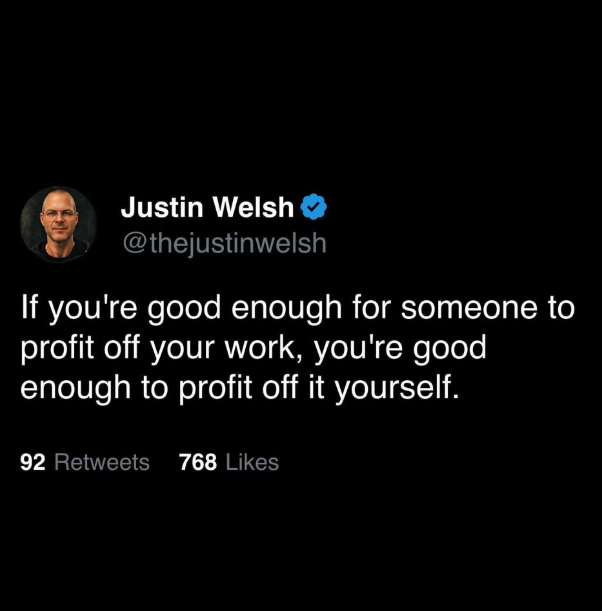
Why it works:
This type of content makes people feel seen.
Readers instantly think:
“That’s exactly how I feel.”
It creates connection before trying to educate or sell.
What to learn:
• Speak to emotions
• Address real frustrations
• Make your audience feel understood
Ask yourself:
What is your audience thinking but rarely says out loud?
Post #2 — The Belief Breaker

Why it works:
People stop scrolling when they see a perspective that challenges what they already believe.
This type of post often generates strong engagement and discussion.
What to learn:
• Challenge common assumptions
• Offer a fresh perspective
• Support your opinion with experience
Ask yourself:
What is a popular belief in your industry that you disagree with?
Post #3 — The “Nobody Talks About This” Post
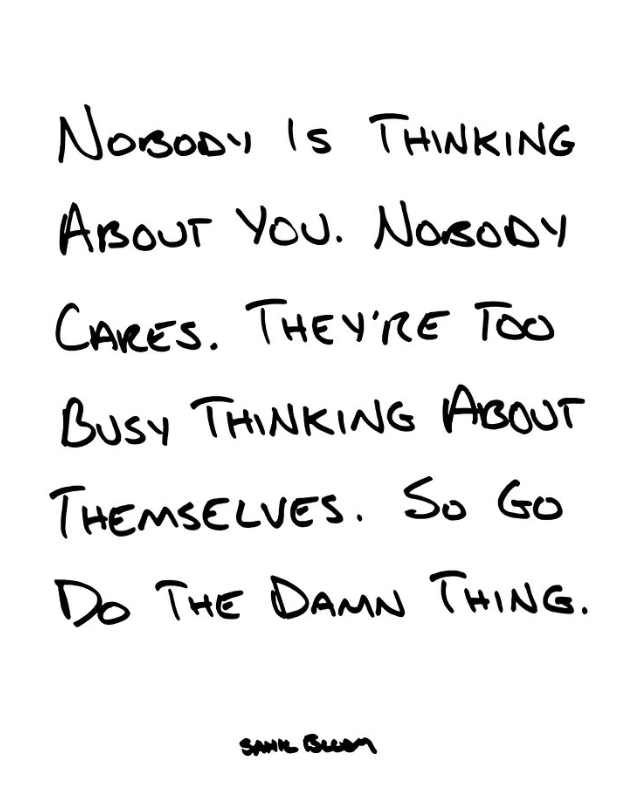
Why it works:
People love insider information.
This format creates curiosity and positions you as someone with valuable experience.
What to learn:
• Share lessons learned
• Reveal hidden truths
• Offer behind-the-scenes insights
Ask yourself:
What do you know today that you wish you had known sooner?
Post #4 — The Transformation Post
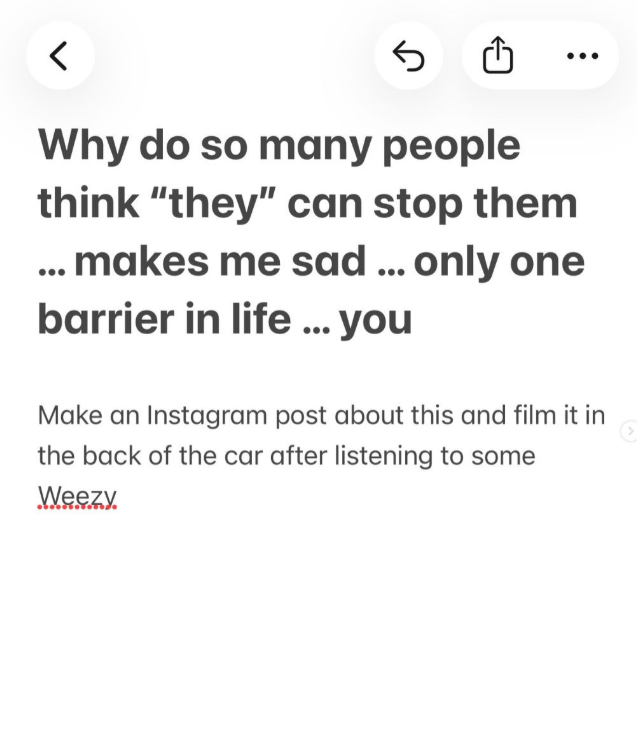
Why it works:
People buy outcomes.
They want to see what is possible before they invest their time, money, or trust.
What to learn:
• Show the starting point
• Show the process
• Show the results
Ask yourself:
What transformation do you help create?
Post #5 — The Vulnerability Post

Why it works:
People connect with people, not perfection.
Sharing challenges and lessons makes your brand more human and trustworthy.
What to learn:
• Share struggles
• Share lessons
• Share growth
Ask yourself:
What challenge taught you your most valuable lesson?
Post #6 — The “I’ve Been There Too” Post

Why it works:
It creates instant connection.
Your audience realizes you understand their journey because you’ve lived it.
What to learn:
• Tell your story
• Share your experiences
• Connect your journey to theirs
Ask yourself:
What problem did you personally overcome that your audience is facing today?
Post #7 — The Strong Opinion Post

Why it works:
Neutral content is often ignored.
Strong perspectives create conversations.
What to learn:
• Take a position
• Defend your beliefs
• Explain your reasoning
Ask yourself:
What topic in your industry deserves a stronger conversation?
Post #8 — The Behind-the-Scenes Post

Why it works:
People are curious about what happens behind the curtain.
It builds trust and transparency.
What to learn:
• Show your process
• Show your preparation
• Show the work behind the results
Ask yourself:
What part of your work would surprise your audience?
Post #9 — The Social Proof Post
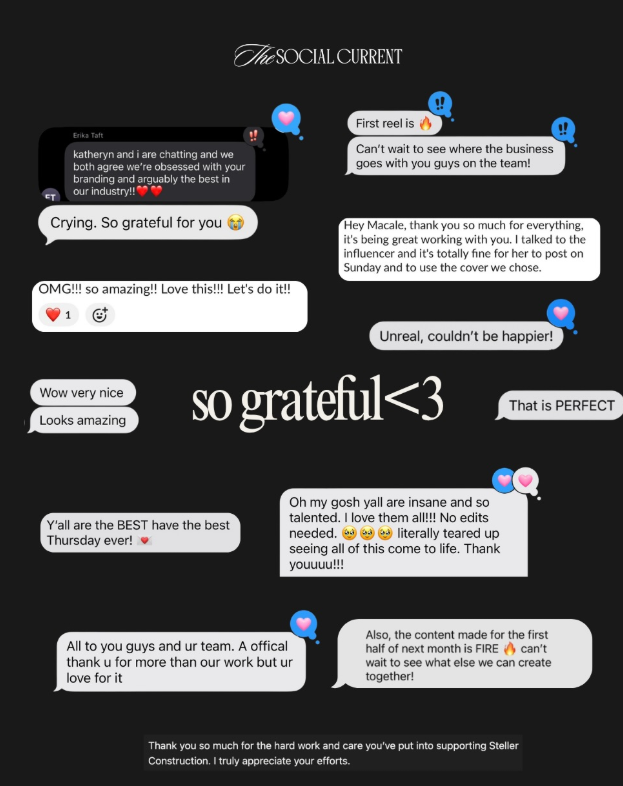
Why it works:
Trust grows when people see evidence.
Testimonials, client stories, and results help reduce doubts.
What to learn:
• Share client experiences
• Share wins
• Share feedback
Ask yourself:
What success story deserves more visibility?
Post #10 — The Manifesto Post

Why it works:
A manifesto attracts the right people and filters out the wrong ones.
It defines what your brand stands for.
What to learn:
• Share your values
• Share your mission
• Share your beliefs
Ask yourself:
What does your brand stand for beyond making sales?
How to Use This Guide
Don’t ask:
❌ “How can I recreate this post?”
Instead ask:
✅ Why did it work?
✅ What emotion did it create?
✅ What problem did it address?
✅ What made people engage?
✅ How can I adapt the principle to my audience?
The most successful brands don’t copy content.
They understand the psychology behind great content and adapt it to their own voice, audience, and message.
Final Thoughts
The difference between average content and high-performing content is rarely luck.
The best creators and brands don’t rely on viral moments. They understand human psychology. They know how to capture attention, spark emotion, build trust, and inspire action.
As you create your next post, challenge yourself to look beyond the design or the wording. Instead, ask what makes the content resonate with people.
Every successful post follows a principle. The more you recognize those patterns, the easier it becomes to create content that connects with your audience in an authentic way.
Use this guide as a source of inspiration, not imitation.
Study the ideas. Analyze the psychology. Adapt the principles. Add your unique perspective.
Because in the end, people don’t follow brands that copy trends.
They follow brands that create meaningful connections.
Now it’s your turn.
Create content that people don’t just see.
Create content they remember.





Post Comment