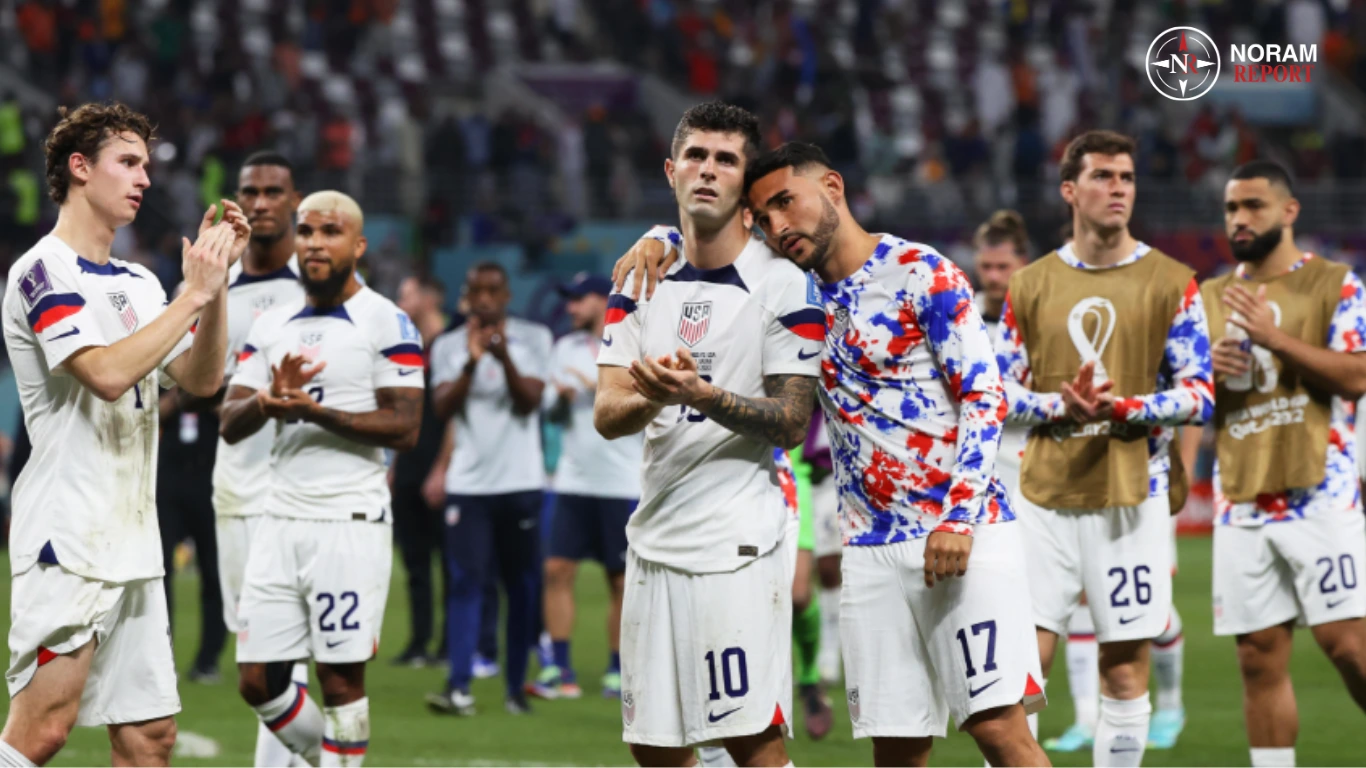
The Weight of the Whistle: Why the Agony of a World Cup Knockout Elimination is the Rawest Human Drama on Earth
As the single elimination hammer falls across the host stadiums, the brutal reality of tournament football strips away the corporate glitter to reveal the true cost of a broken sporting dream.
Football is a beautiful sport that builds communities, inspires generations, and creates global festivals of joy, right up until the exact microsecond it decides to utterly shatter your soul.
As the FIFA World Cup 2026™ transitions into the unforgiving waters of its single elimination knockout phases, a heavy, familiar darkness has started to settle over half of the nations that arrived in North America with bags packed full of hope. The group stage, with its safety nets, complex mathematical formulas, and second chances, is officially dead.
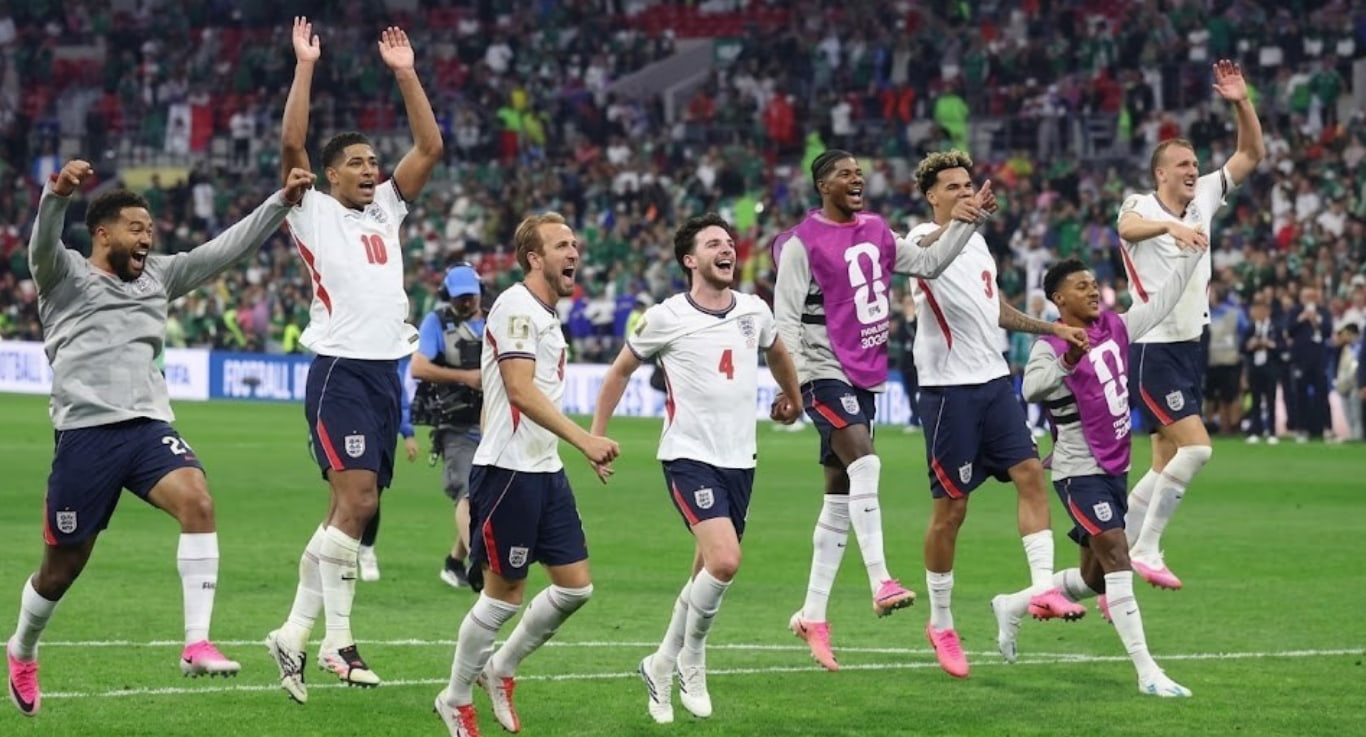
We have entered the ruthless reality of the tournament cycle where there are no points for structural effort, no moral victories for attractive possession, and absolutely no tomorrow. When the referee blows the final whistle after ninety minutes, or sometimes an exhausting one hundred and twenty minutes of physical warfare, one nation advances into the light of immortality, while the other is instantly cast out into a cold, devastating void.
To the casual observer or the neutral viewer flipping through television channels on a summer afternoon, a World Cup knockout match is an entertaining piece of television drama. It is a spectacle of high athletic metrics, tactical chess pieces moving across a pristine green board, and colorful crowd shots.
But to the people living inside the borders of the eliminated nations, the reality of that final whistle is a profound physical and emotional shock. It is the sudden, catastrophic halting of a collective national heartbeat, a moment where the shared illusions of an entire population collide violently with the uncompromising reality of a scoreboard.
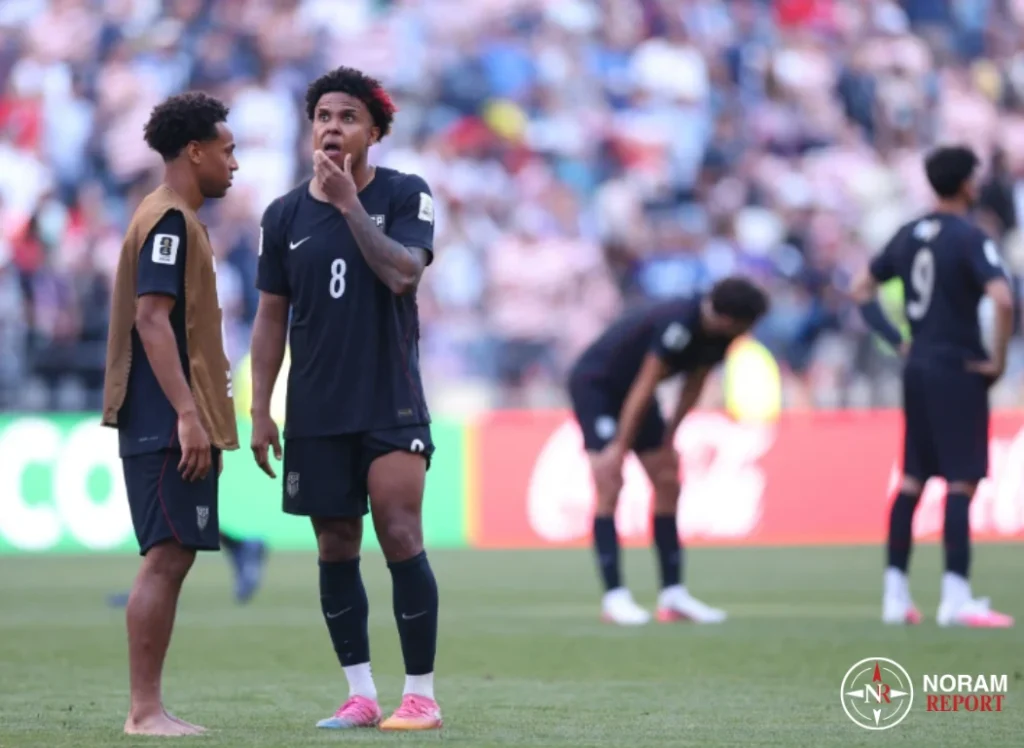
The Sudden Freeze: The Psychology of the Final Whistle
There is no transition period in a World Cup elimination. It does not look like a slow, manageable decline that you can prepare for over the course of a domestic league season. It happens in a singular fraction of a second. One moment, a country is a living, breathing collective entity, united by the singular belief that a late crossing pass or a miraculous penalty save can alter the course of destiny. The next moment, the whistle blows three times, and the entire dream vanishes into thin air like a ghost.
When you look closely at the television screens during these definitive moments, the images that linger are never the tactical formations or the corporate sponsor logos. What sticks in the human memory is the raw, unedited anatomy of grief.
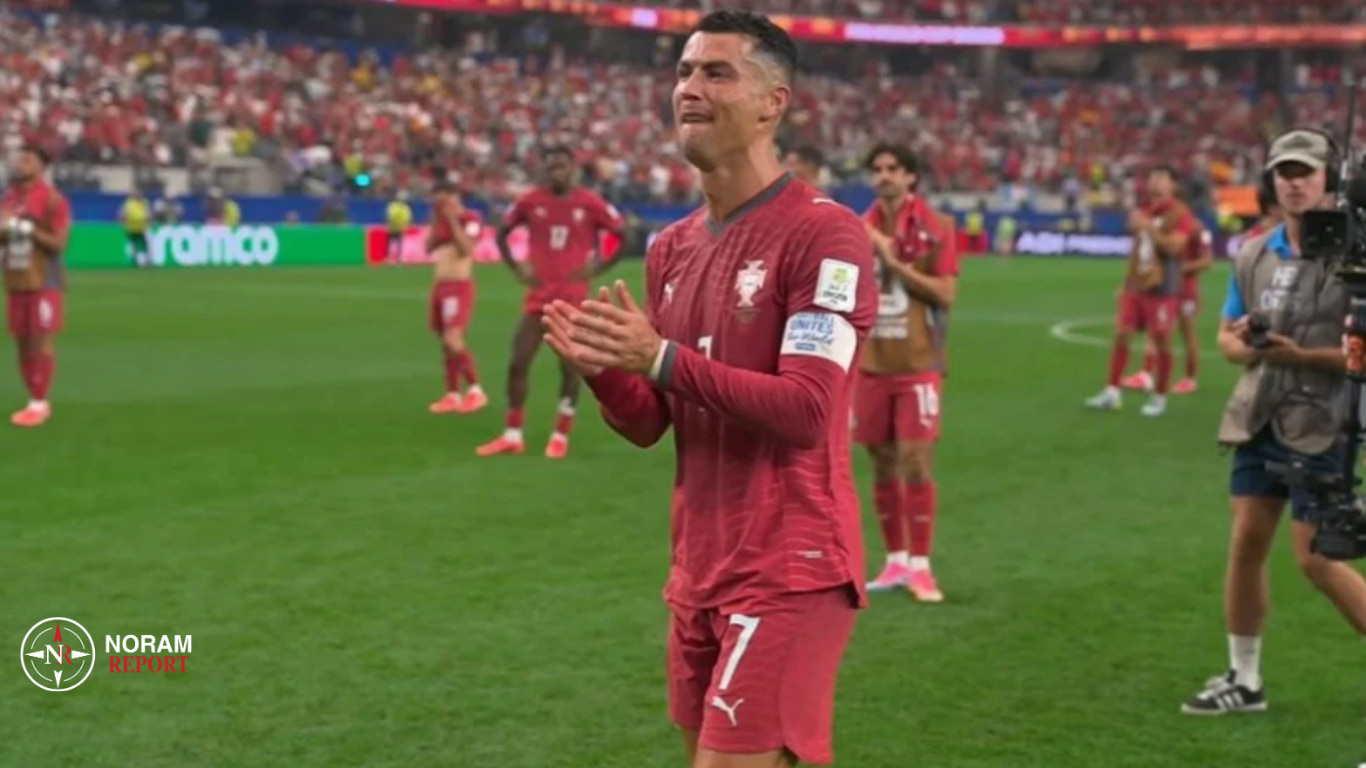
You see multi million dollar superstars, men who are normally insulated from the harsh realities of daily life by wealth and global celebrity status, collapsing onto the grass like broken children. They bury their faces in the turf, trying to hide their tears from the intrusive camera lenses that zoom in to capture every ounce of their private agony.
This specific grief stems from the immense, almost abusive weight of expectation that international football places on individual shoulders. When a player walks onto a World Cup pitch, they are not just playing for a club badge or a personal bonus, they are carrying the emotional well being of their grandfathers, their childhood friends, and the millions of working class people who spent their hard earned savings just to buy a replica shirt.
When they fail, that burden crushes them completely. The physical exhaustion of running twelve kilometers across the grass combines with the psychological horror of knowing that they must now carry the blame for a nation’s disappointment for the next four years of their lives.
When the Terraces Go Cold: The Silence of the True Believers
While the players suffer their public heartbreak under the bright stadium lights, a parallel and much more quiet tragedy unfolds thirty rows up in the grandstands. The traveling supporters are the true lifeblood of the World Cup, the individuals who turn these modern, commercialized arenas into vibrant temples of human culture. They are the people who took out bank loans, skipped family events, and traveled thousands of miles across oceans to stand in the upper decks, singing songs passed down through generations.
The moment of elimination hits these sections with the force of a physical blow. The colorful banners that were hung with so much pride before kickoff are suddenly pulled down in a state of quiet numbness.
The drums that had been beating a rhythmic, non stop tempo for two hours are packed away into dark canvas bags. The oversized hats, the face paint, and the national flags suddenly feel like heavy, useless costumes from a play that has been abruptly canceled.
Watch the fans leaving the stadium gates after a knockout loss, and you will see a collective trauma that transcends sports. Families walk hand in hand toward the parking lots and train stations without exchanging a single word.
The vibrant, boisterous arguments that usually define football gatherings are replaced by a heavy, communal silence. In the public plazas of the host cities, groups of friends sit on the curbs, staring blankly at the pavement, trying to process the sudden emptiness of their calendar.
The festival is over for them. The tickets they held for the next round are now nothing more than expensive, digital reminders of what could have been, destined to be sold to neutral tourists or deleted from their phones in an act of emotional self defense.
The Lingering Echo: Rebuilding a Nation’s Soul
The true impact of a World Cup elimination, however, is not fully realized until the morning after the disaster. When the sun rises over the capital city of the defeated country, the silence is palpable. The television news broadcasts do not lead with political debates or economic indicators, instead, they conduct somber, analytical autopsies of a ninety minute football game. Pundits dissect every misread tackle, every missed open net, and every questionable substitution with a level of intensity that border on the obsessive.
Yet, underneath the immediate pain, the finger pointing, and the media criticism, there is a resilient, deeply beautiful cycle of human hope that defines this sport. A World Cup elimination is an emotional death, but it is a death that always contains the secret seeds of a future resurrection.
Long after the players have boarded their private jets to return to their wealthy European clubs, and long after the local street sweepers have cleared away the discarded national flags from the public squares, the fundamental love for the game remains entirely untouched in the soil.
In the public parks and the dusty community pitches of the eliminated nations, children who watched their heroes weep on television yesterday will step onto the grass today. They will wear the same shirts, lace up their worn out boots, and mimic the exact movements of the players who just fell short on the global stage.
They will start playing again, dreaming of 2030, dreaming of the next chance to stand under the stadium lights and hear their national anthem ring out across a crowded arena. The dream breaks, the nation mourns, but the endless, beautiful machinery of football faith guarantees that from the ashes of today’s heartbreak, the passion will always find a way to rebuild itself.



Post Comment