
Financial Mindset: How to Change Your Habits and Improve Your Financial Life
Your financial mindset is one of the most important factors in achieving long-term financial success. While many people believe that earning more money is the answer to financial freedom, the truth is that your daily habits and beliefs about money often have a greater impact than your income.
People with a healthy financial mindset understand that wealth is built through consistent decisions, discipline, and continuous learning. Whether you’re just beginning your financial journey or looking to improve your money management skills, changing the way you think about money can transform your future.
What Is a Financial Mindset?
A financial mindset is the collection of beliefs, attitudes, and behaviors that shape how you earn, spend, save, invest, and manage money.
Your financial mindset influences decisions such as:
- Creating and following a budget.
- Saving for emergencies.
- Investing for long-term growth.
- Managing debt responsibly.
- Building financial security.
- Planning for retirement.
- Setting financial goals.
Many of these beliefs are developed during childhood through family experiences, education, and cultural influences. Fortunately, your financial mindset can evolve at any stage of life.
Why Financial Mindset Is More Important Than Income
A higher salary doesn’t automatically lead to financial stability.
Many high-income professionals struggle with debt, while others with average incomes successfully build wealth over time.
The difference usually comes down to financial habits.
People with a strong financial mindset tend to:
- Spend intentionally.
- Save consistently.
- Invest regularly.
- Avoid unnecessary debt.
- Think long-term.
- Continue learning about personal finance.
Instead of asking, “How can I make more money?” they often ask, “How can I manage my money more effectively?”
Common Financial Mindset Mistakes
Many people unknowingly develop habits that prevent them from reaching financial success.
Some of the most common mistakes include:

Living Beyond Your Means
Lifestyle inflation happens when spending increases every time income grows.
Rather than investing additional income, many people simply upgrade their lifestyle.
Waiting to Save What’s Left
One of the biggest financial mistakes is saving only after paying every expense.
Successful savers pay themselves first.
Making Emotional Purchases
Stress, boredom, excitement, and social pressure often influence spending decisions.
Developing awareness around emotional spending is an important step toward improving your financial mindset.
Comparing Yourself to Others
Social media often creates unrealistic expectations about success and wealth.
Remember that financial progress is personal.
Financial Mindset Habits That Build Wealth
Changing your financial mindset starts with small daily actions.
Track Your Spending
Knowing where your money goes gives you control over your financial future.
Review your expenses regularly and identify areas where you can improve.
Create Financial Goals
Set both short-term and long-term goals.
Examples include:
- Building a $10,000 emergency fund.
- Paying off credit card debt.
- Saving for a home.
- Investing for retirement.
- Starting a business.
Clear goals create motivation and direction.
Build an Emergency Fund
Unexpected expenses happen to everyone.
Having three to six months of living expenses saved can reduce financial stress and help you avoid debt.
Invest in Financial Education
Books, podcasts, online courses, and trusted financial publications can completely transform your financial mindset.
The more you learn, the more confident your financial decisions become.
Think Like an Investor
Instead of asking whether something is affordable today, ask yourself whether it creates value for your future.
Successful investors focus on long-term growth rather than short-term satisfaction.
Growth Mindset vs. Fixed Mindset About Money
People with a fixed mindset often believe:
- “I’ll never be good with money.”
- “Rich people are just lucky.”
- “Investing is too complicated.”
People with a growth mindset believe:
- Financial skills can be learned.
- Better habits create better results.
- Every mistake is an opportunity to improve.
- Wealth is built over time.
Changing these internal beliefs is often the first step toward financial freedom.
Books That Can Improve Your Financial Mindset
If you want to strengthen your financial mindset, consider reading books such as:
- The Psychology of Money by Morgan Housel.
- Rich Dad Poor Dad by Robert Kiyosaki.
- Atomic Habits by James Clear.
- The Millionaire Next Door by Thomas J. Stanley.
- Your Money or Your Life by Vicki Robin.
These books offer practical lessons that can help reshape your relationship with money.
Daily Financial Habits That Make a Difference
Small actions repeated consistently often produce the greatest results.
Try these daily habits:
- Review your spending.
- Avoid impulse purchases.
- Save automatically.
- Read about personal finance for 15 minutes.
- Track your financial goals.
- Invest consistently.
- Celebrate small financial wins.
Consistency is far more powerful than perfection.
Frequently Asked Questions
Can anyone develop a better financial mindset?
Yes. A financial mindset is learned, not inherited. With education and consistent practice, anyone can improve their financial habits.
How long does it take to change financial habits?
Building new habits takes time. Small changes practiced consistently over several months often lead to lasting improvements.
Does earning more money solve financial problems?
Not always. Without a healthy financial mindset, higher income can simply lead to higher spending.
What’s the first step to improving financial health?
Start by tracking your income and expenses, creating clear financial goals, and committing to learning about personal finance.
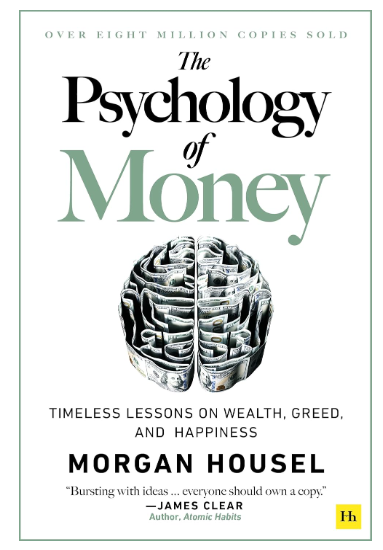
Recommended Reading: The Psychology of Money by Morgan Housel
If you’re looking to improve your financial mindset, one book stands out as an excellent place to start: The Psychology of Money by Morgan Housel.
Rather than focusing on complicated investment strategies, Housel explores the emotional and behavioral side of money. Through engaging stories and real-life examples, he explains why financial success depends less on how much you earn and more on how you think, behave, and make decisions over time.
Some of the key lessons from the book include:
- Wealth is built through consistency, not luck.
- Financial decisions are deeply influenced by emotions.
- Patience is one of the greatest financial advantages.
- Long-term thinking often produces better results than chasing quick wins.
- Managing money is more about behavior than mathematical ability.
Whether you’re just starting your financial journey or looking to build long-term wealth, The Psychology of Money offers practical insights that can help you develop healthier financial habits and a stronger financial mindset.
Recommended for: Entrepreneurs, professionals, students, investors, and anyone who wants to build a healthier relationship with money.
Final Thoughts
Your financial mindset influences every financial decision you make.
Income matters, but habits determine long-term success.
By changing the way you think about money, building healthier financial habits, and committing to continuous learning, you can reduce financial stress, build wealth, and create greater financial freedom over time.
Remember that financial success doesn’t happen overnight. It is the result of thousands of small decisions made consistently. Start today, stay disciplined, and let your financial mindset become the foundation for a more secure and prosperous future.





Post Comment